How Destination Marketing Organizations Benefit Local Economies

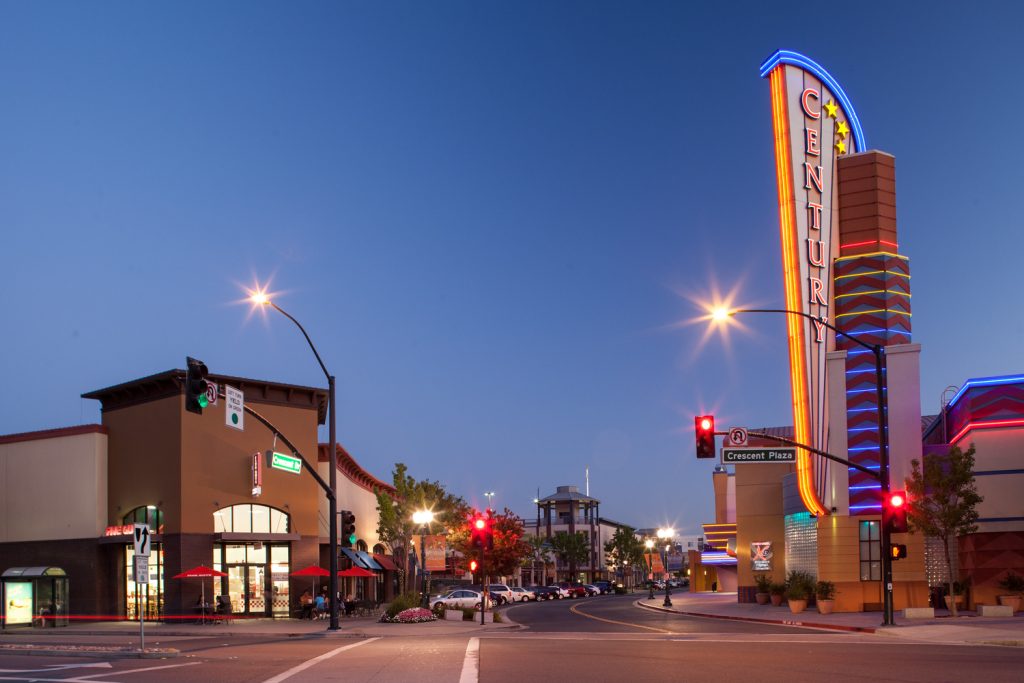
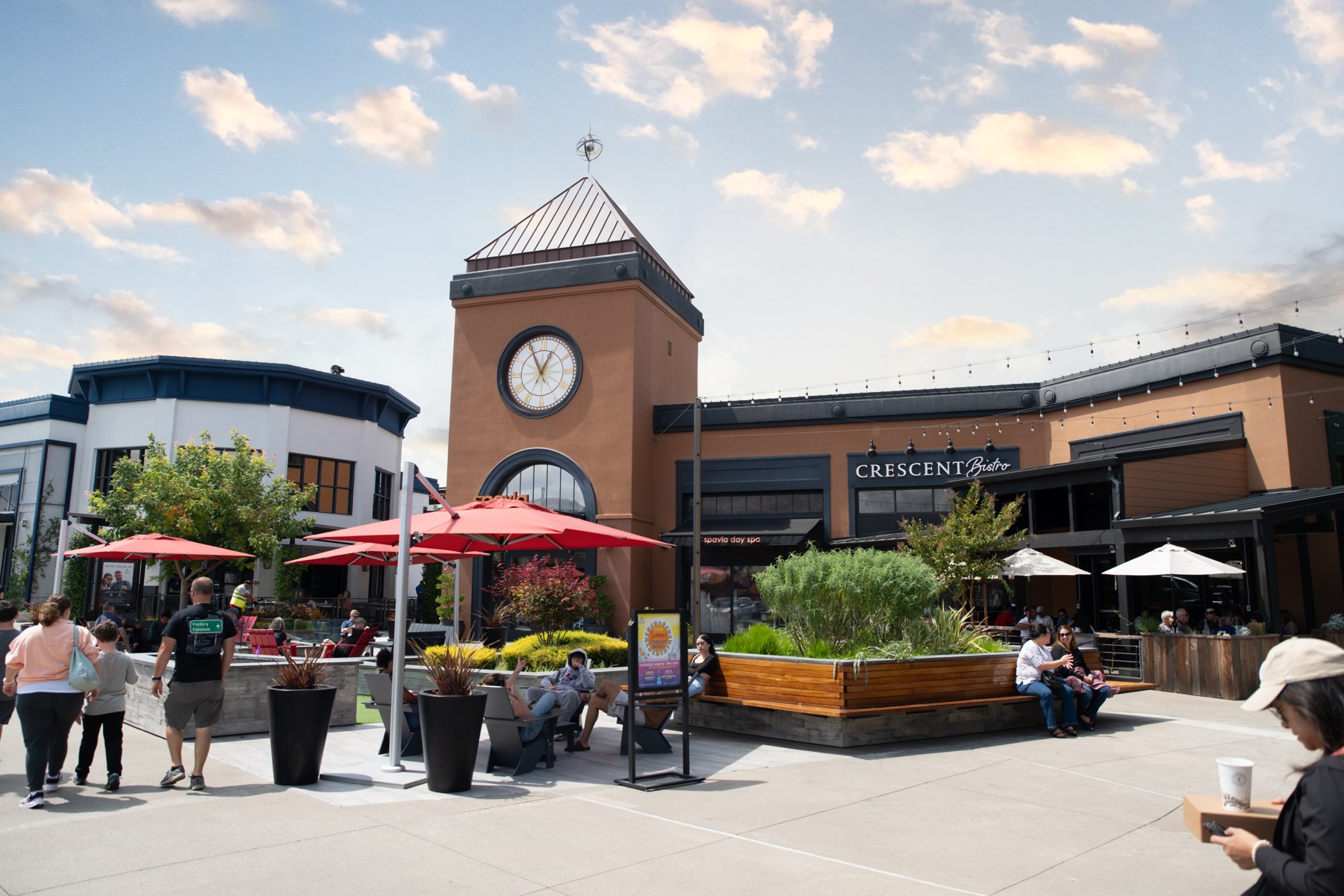
People gathering near the clock tower, restaurants and outdoor seating in downtown Pleasant Hill.

Visitors bring new dollars into a community. A hotel stay can lead to dinner at a local restaurant, a shopping trip and tickets to an event, supporting businesses, jobs and local tax revenue.

Destination marketing organizations, or DMOs, help make those visits happen. They connect travelers with places to stay and things to do, giving communities of every size a chance to compete for visitor spending.

What Is a Destination Marketing Organization?

A destination marketing organization, or DMO, is an organization responsible for promoting a city, region, or destination to potential visitors.

Their work may include:

Advertising and digital marketing

Public relations and travel media

Meetings and group sales

Influencer and content creator partnerships


 Website and social media content

Research and tourism data

Regional partnerships and destination branding

Visitor guides and information


Much of this work happens long before a traveler ever arrives.

The goal is to influence where travelers choose to stay and spend their time.

How Destination Marketing Creates Economic Activity

When travelers choose one community over another, their spending supports hotels, restaurants, shops, entertainment and local services. Overnight stays can extend that impact as visitors spend more time in the area.

That is why attracting visitors is also an investment in the local economy.

Visitor spending can support:

  • Hotels
  • Restaurants
  • Retail
  • Events
  • Transportation
  • Local services
  • Jobs
  • Local tax revenue

Why Communities Invest in Destination Marketing

Communities compete for visitors just as businesses compete for customers. Destination marketing helps a place stand out when travelers are deciding where to stay.

For Pleasant Hill, that means highlighting local experiences alongside easy access to the wider Bay Area. Visitors may stay here, dine in a neighboring city and explore attractions across the region, making Pleasant Hill a convenient home base.

Visitors include vacationers, business travelers, event attendees and people visiting friends and family.

A destination does not need a famous landmark to benefit from tourism. It needs a reason for travelers to choose it.

Destination Marketing Is Economic Development

Consistent destination marketing builds awareness and visitor demand over time. It helps support lodging businesses, restaurants, retailers and the jobs connected to them, while strengthening the community’s visibility.

California Travel Impact | 2025

California annual visitor spending

$158.9B

State and local tax revenue

$13.6B

Travel-supported jobs

1.2 Million

How This Works in Pleasant Hill

Visit Pleasant Hill is the community’s official destination marketing organization. We are an independent organization, separate from the City of Pleasant Hill.

Our focus is attracting visitors, encouraging overnight stays and growing the local visitor economy. Funding through the Pleasant Hill Tourism Improvement District provides dedicated resources to increase overnight visitation and benefit Pleasant Hill lodging businesses.

We promote local experiences and regional attractions together, positioning Pleasant Hill as a welcoming home base for exploring the Bay Area.
Pleasant Hill Travel Impact | 2025 Preliminary Estimates

Visitor Spending

$112.7M

Direct Travel-Generated Jobs

867

Local Tax Revenue

$4.6M

Dean Runyan Associates, The Economic Impact of Travel in Pleasant Hill, 2025 Preliminary Estimates